
Enrollment Required
Enroll in IMA Conference 2026 to watch this lesson and track your progress.
Sign In to EnrollEndothelial Damage from COVID in Venous Disease and POTS
Patients with dizziness, brain fog, and orthostatic intolerance are turning up more often, and the mechanisms behind them are finally coming into focus. Dr. Jordan Vaughn traces the path from the SARS-CoV-2 spike protein to endothelial dysfunction, shows how venous compression syndromes like May-Thurner can quietly cut cardiac output, and explains why a standing drop in end-tidal CO₂ points toward the cerebral hypoperfusion driving POTS-like symptoms. It turns a confusing presentation into something a clinician can actually trace and treat.
Learning objectives
By the end of this session, participants will be able to:
- Explain the mechanisms by which SARS-CoV-2 spike protein may contribute to endothelial dysfunction, including ACE2-related signaling disruption, oxidative stress, and pro-inflammatory/pro-thrombotic effects.
- Describe how venous compression syndromes such as May-Thurner can impair venous return and contribute to reduced preload, decreased cardiac output, and orthostatic intolerance symptoms consistent with POTS-like presentations.
- Interpret a significant standing drop in end-tidal CO₂ (EtCO₂) as a marker of hypocapnia-associated cerebral vasoconstriction and hypoperfusion, and relate this to symptoms such as dizziness and brain fog.
Instructors
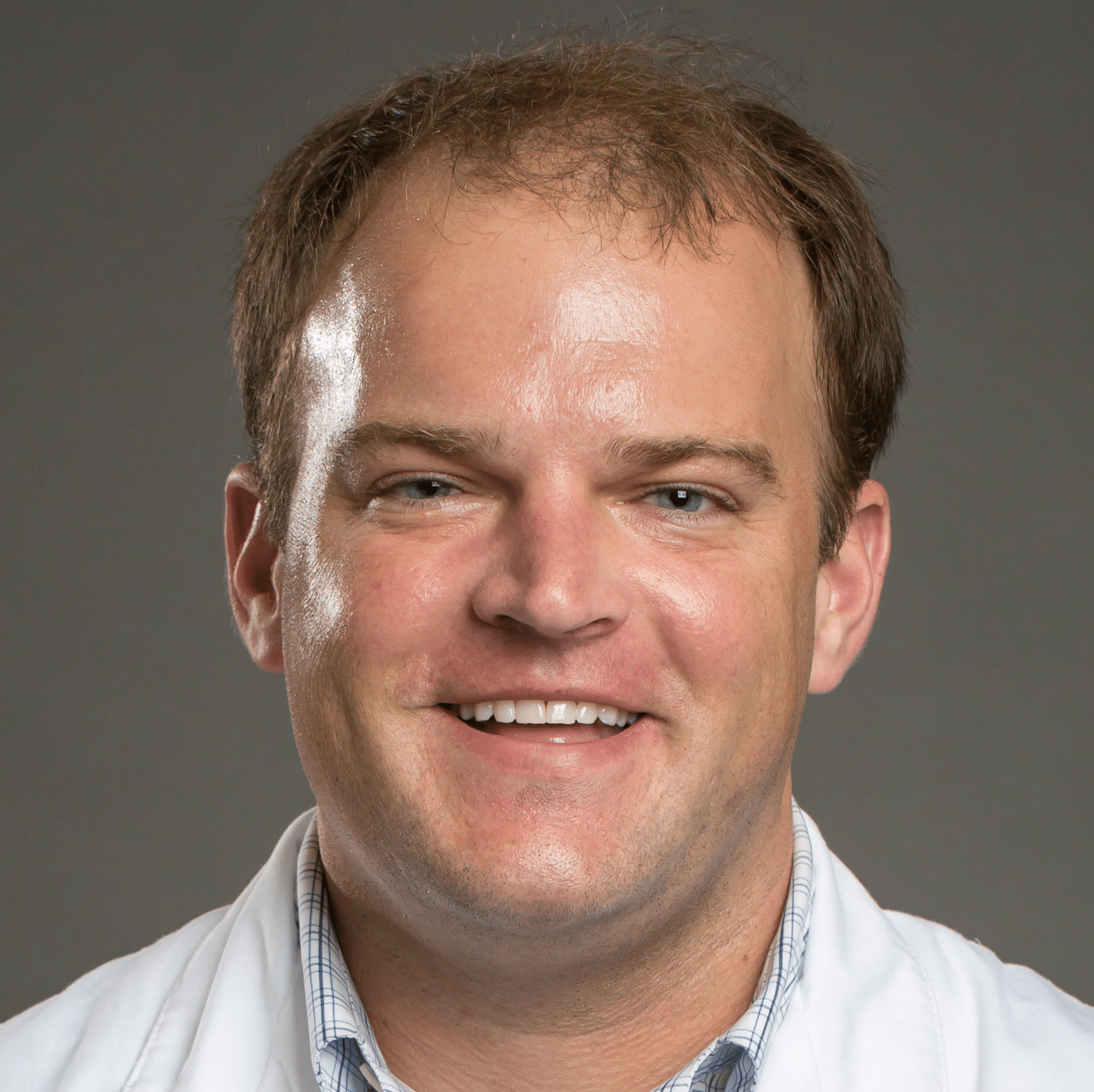
Jordan Vaughn
MD, FCCM, FCCP, ABIM
IMA Senior Fellow, Microvascular Disease
Supplementary Files
We believe knowledge should be accessible to everyone - no paywalls, no barriers,
just open doors to honest medicine.
We can’t do this alone; it is only possible because of the generosity of supporters. We suggest a donation of $50 to $100. But please know: every dollar counts, and your support - at any level - helps us continue this vital work and keep our resources free for all.
Support our Work